

RAG & Custom LLM Integration
Turn your internal PDFs, SOPs, product catalogs, and databases into an instant, verifiable AI knowledge engine with cited answers.
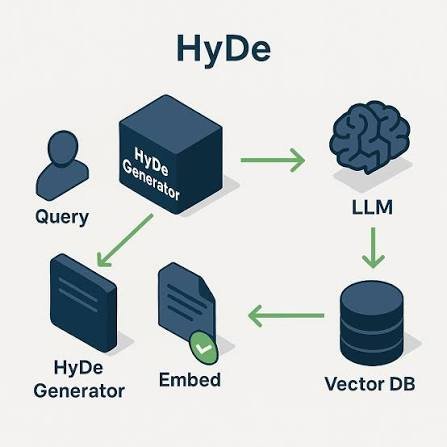
Private AI Search Grounded in Your Verified Data
ATTEST builds Retrieval-Augmented Generation (RAG) pipelines that index your documents, portals, and structured SQL data without exposing proprietary records to public model training.
Whether powering an internal engineering copilot or a client-facing documentation search portal, every response cites exact source passages and respects role-based access rules.
Enterprise LLM Building Blocks
Flexible retrieval architectures compatible with cloud or self-hosted foundation models.
Vector Indexing & Chunking
- Automated ingestion for PDFs, DOCX, Notion, Confluence & HTML
- Hybrid semantic + keyword retrieval for exact SKU/policy match
- Incremental re-syncing whenever source documents change
Model-Agnostic Routing
- Support for OpenAI, Gemini, Claude, or private open-weight LLMs
- Task-based model tiering to control token latency and API cost
- Strict PII redaction and role-scoped document permissions
Clean API & App Embedding
- REST & streaming endpoints embedded cleanly in web/mobile apps
- Inline clickable citations back to original source pages
- Built-in telemetry for token usage, latency, and retrieval precision
RAG & LLM Integration FAQ
Security, data ownership, and integration details for private LLM deployments.
No. We configure enterprise API endpoints with zero-retention policies or private VPC deployments so your proprietary data never trains third-party foundation models.
Our ingestion pipeline re-indexes updated documents automatically on a schedule or webhook trigger, updating answers immediately without fine-tuning a model.
Yes. Our RAG architecture returns direct document references and snippets alongside each generated answer so teams can audit claims in one click.
Want AI Search Over Your Business Knowledge?
Partner with ATTEST to architect a secure, citation-backed RAG system integrated right into your existing software stack.